For many of us, the first thing we touch in the morning is not a coffee cup. It is a phone. Before our feet hit the floor, we have read the news, checked messages and scrolled through other people's lives.
This week, you will try waiting. Thirty minutes, no phone, for seven mornings.
The one takeaway Starting the day with news and notifications puts your mind on other people's agendas before you have had a chance to set your own. A phone-free first half hour may help mornings feel calmer and more your own.
Why the first 30 minutes matter
Your morning sets a tone. Headlines, email and social feeds can stir up worry or a sense of hurry while you are still waking up. Bright screens up close also replace the daylight and quiet that help you ease into the day.
Nothing is wrong with your phone. The goal is simply to choose when you pick it up, rather than letting habit choose for you.
The 7-day plan
- Day 1: Charge your phone outside the bedroom tonight. Use a simple alarm clock if you need one.
- Day 2: For the first 30 minutes, do what you normally do, just without the phone.
- Day 3: Fill the time with something calm: coffee by a window, a stretch, a few pages of a book.
- Day 4: Notice when the urge to check is strongest. Write down the time.
- Day 5: Step outside for a few minutes before any screen.
- Day 6: Talk with someone in your home, or call a friend after the 30 minutes.
- Day 7: Decide what a good first half hour looks like for you, and keep it.
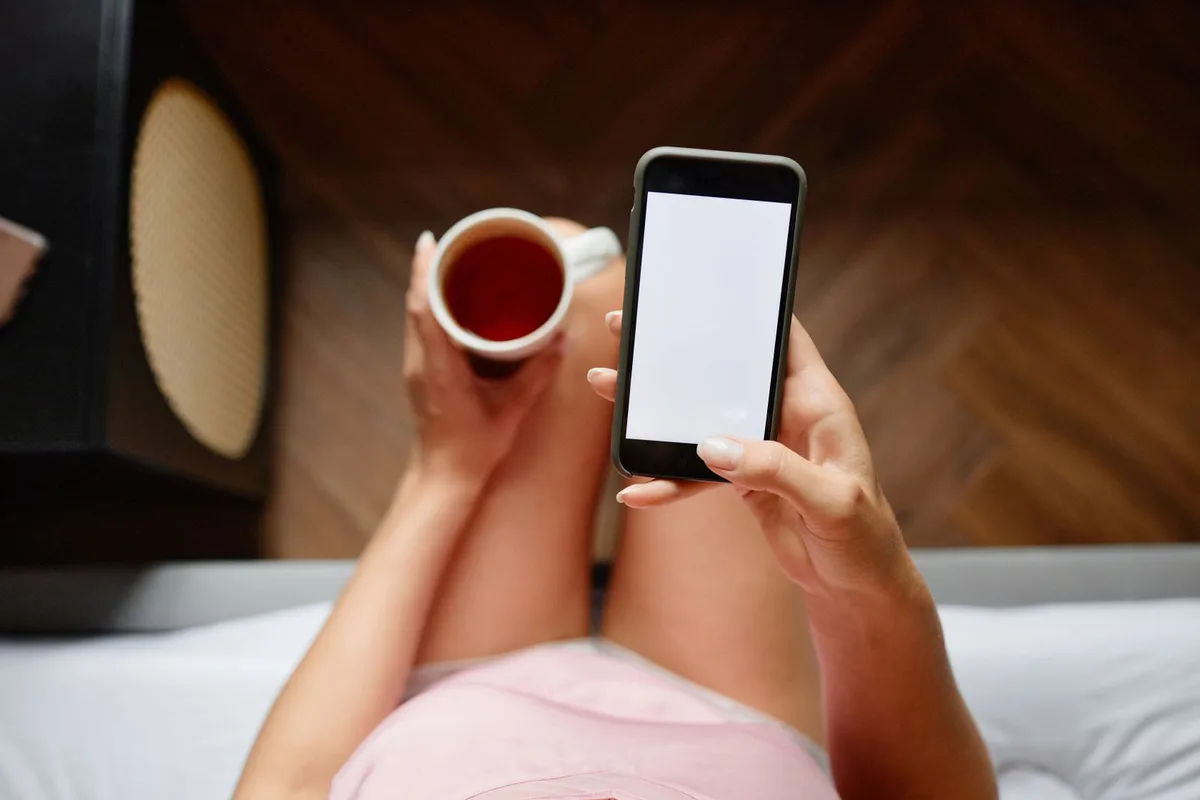
If you worry about missing an urgent call, set your phone to let favorite contacts ring through. You stay reachable without the scroll.
What to notice
On days two and three, the itch to check may feel strong. That is normal and usually fades. By the end of the week, many people notice they feel less rushed, think more clearly over breakfast, or remember what they wanted to do that day.
You may also notice that very little actually changed in the world while you waited. That is useful information too.
When to talk to your doctor
If you rely on your phone for medicine reminders, blood sugar monitoring or medical alerts, keep those features on and within reach. Safety comes first. If you notice that checking your phone feels impossible to put off, or worry and low mood last for weeks, it is worth a conversation with your doctor.
Half an hour is a small thing to give yourself. It may turn out to be the best part of the day.