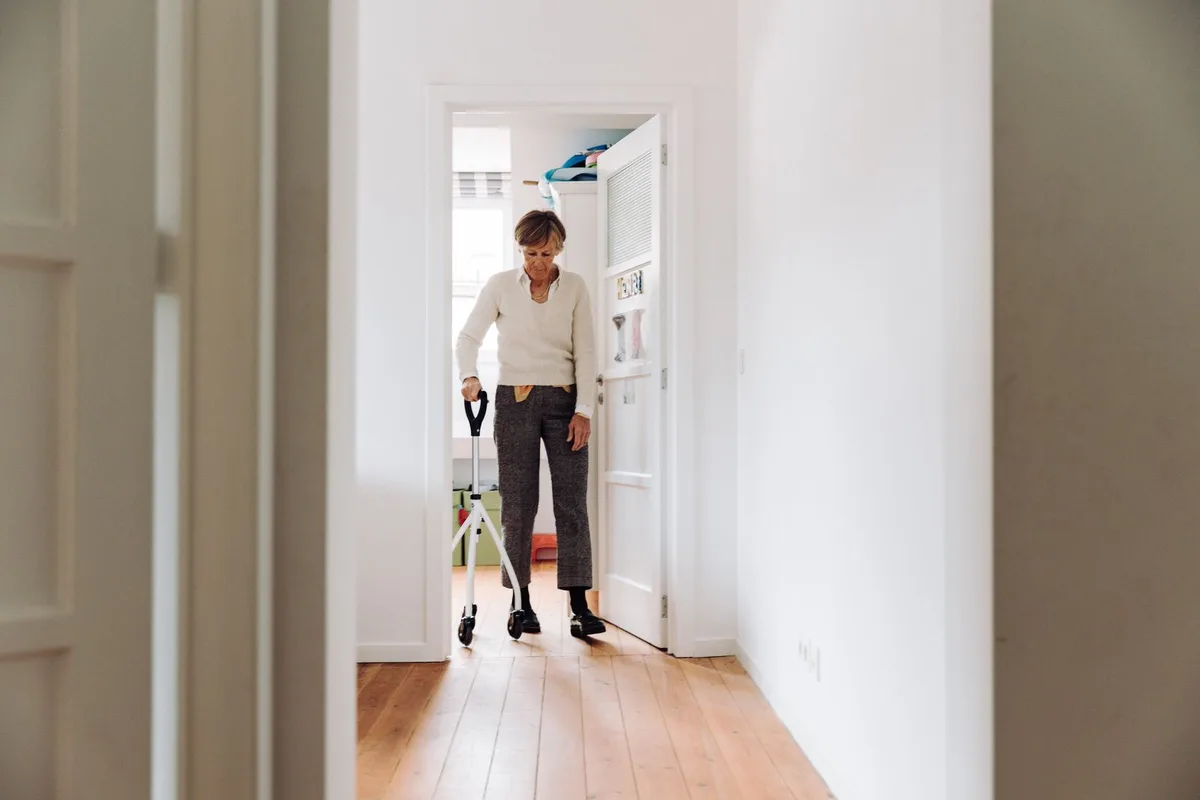
When the nerves in your feet are not working well, you might step on a pebble, rub a blister into a new shoe or nick a toe and not feel a thing.
Your eyes can do the job your nerves used to. A short daily foot check is one of the simplest habits you can build.
Insider Tip If your feet feel numb, tingly or less sensitive, look at them every day. Catching a small cut, blister or red spot early can keep it from turning into an infection that is hard to heal.
Pick a time and place
Choose a moment you already have, like after your shower or when you sit down to take off your socks at night. Sit in a good light. A chair is safer than balancing on one foot.
What to look for
Check the tops, the soles, the heels and between every toe. Look for:
- Cuts, scrapes, blisters or cracks in the skin
- Redness, warmth or swelling in one spot
- Corns, calluses or hard, thick skin
- Ingrown or discolored toenails
- Any drainage or a new smell
Compare your two feet. A spot that is warmer, redder or more swollen than the same area on the other foot deserves attention.
Seeing the hard spots
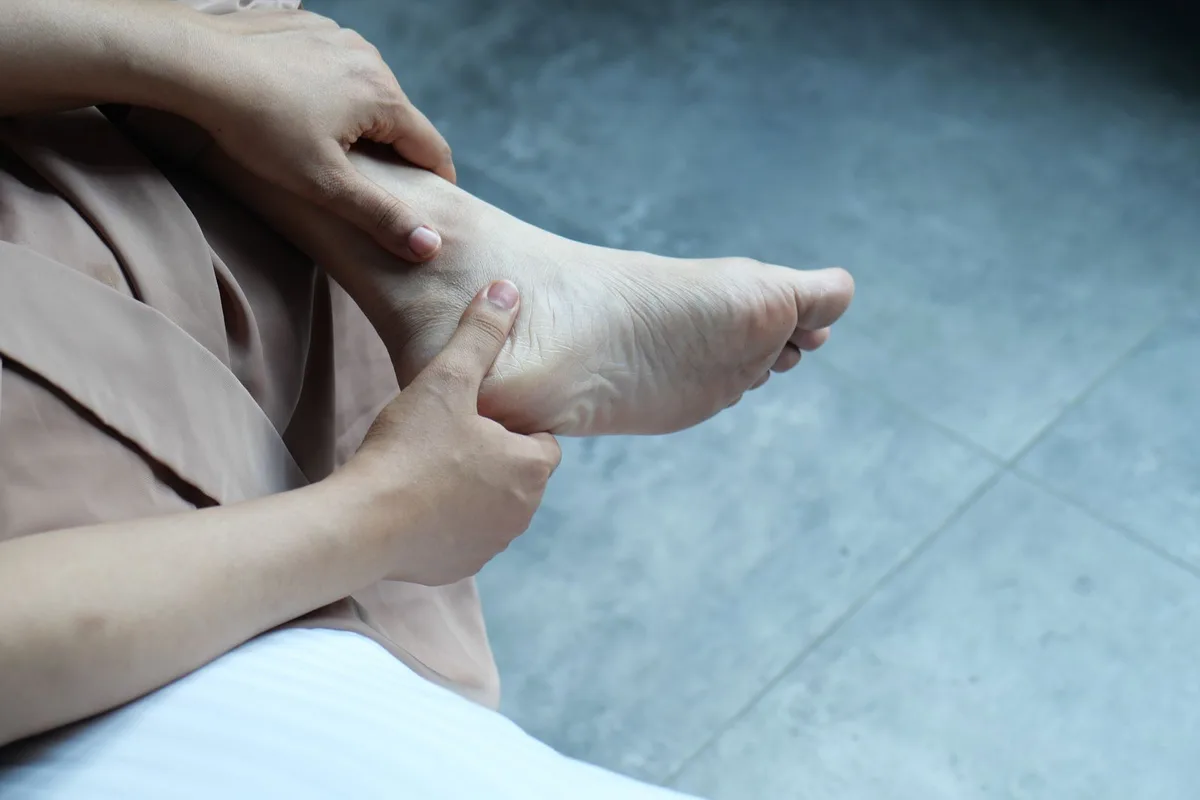
The soles and heels are tricky after 50, especially with stiff hips or knees. Hold a hand mirror under your foot, or set an unbreakable mirror on the floor. If your eyesight is not sharp, ask a family member to help, or take a photo with your phone and zoom in.
Before you put on your shoes, run your hand inside them. A stray pebble or rough seam can do real harm to a foot that cannot feel it.
Daily care that goes with it
Wash your feet in lukewarm water, never hot. Test the water with your elbow, since numb feet may not sense heat. Dry gently, especially between the toes. A thin layer of moisturizer on the tops and soles helps with cracks, but skip the spaces between the toes. Trim nails straight across, and wear socks and shoes, even indoors.
When to talk to your doctor
Call your doctor or a podiatrist the same day if you find a sore that is not healing, a cut that looks infected, spreading redness, or a foot that is suddenly swollen, hot or changing shape. Do not cut corns or calluses yourself. If you have diabetes, ask for a full foot exam at least once a year.
Two minutes a day is a small price for feet that keep carrying you.