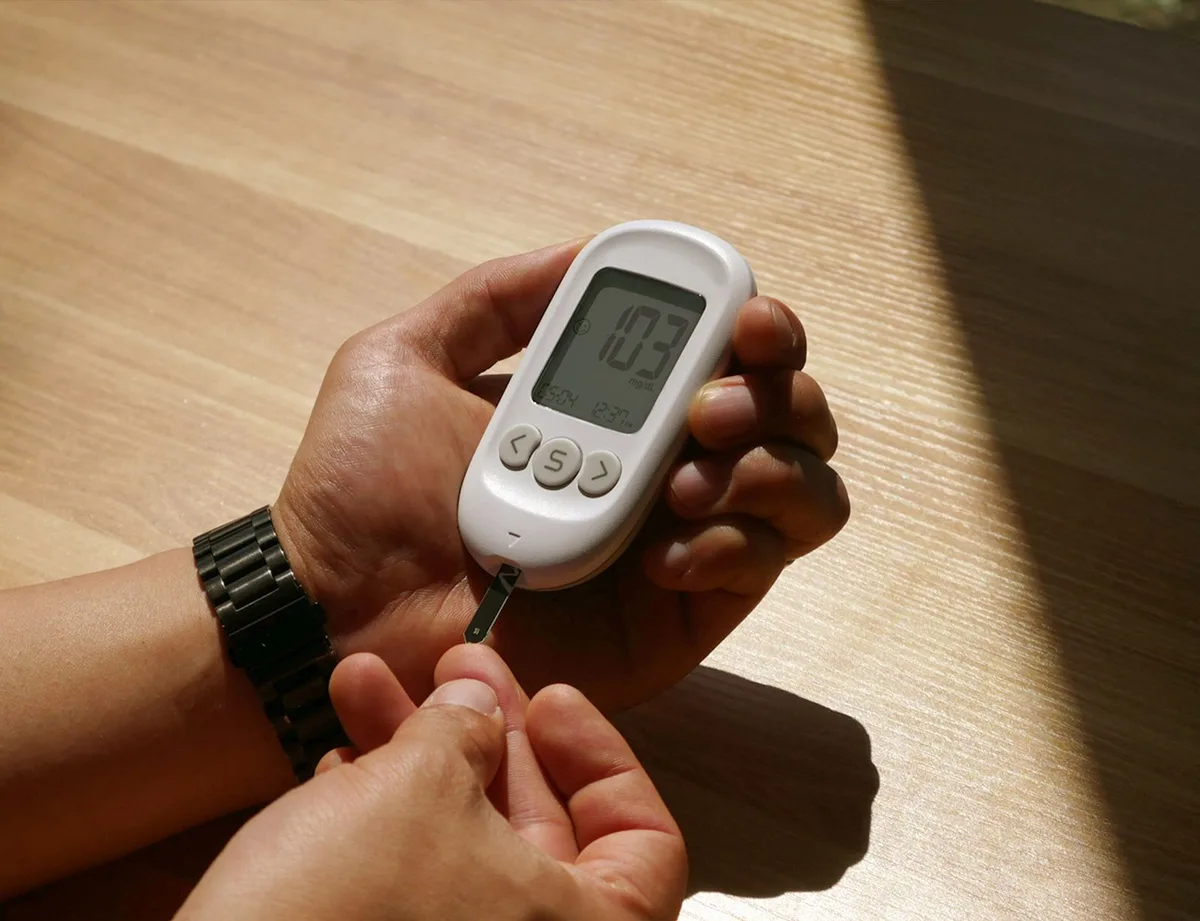
If you have diabetes or have been told your blood sugar is "a little high," you have probably heard a lot about your heart, eyes and kidneys. Your nerves belong on that list too.
In fact, diabetes is the most common cause of peripheral neuropathy in the United States.
Insider Tip Blood sugar that stays high over time can damage nerves and the tiny blood vessels that feed them, often starting in the feet. Keeping your numbers in your target range is linked to a lower risk and slower progress of nerve damage.
How sugar affects your nerves
Nerves need a steady supply of oxygen and nutrients, delivered by very small blood vessels. Years of high blood sugar can harm those vessels and the nerves themselves, so signals slow down or get mixed up.
This usually happens gradually. Up to half of people with diabetes develop some nerve damage, and signs can appear even in prediabetes. Tingling, burning, numbness or a "walking on cotton" feeling in the feet are common first clues.
Know your numbers
Ask your doctor about an A1C test, which shows your average blood sugar over about three months, along with a fasting blood sugar test. If you already have diabetes, ask what your personal target range is. Blood pressure, cholesterol and smoking matter for nerves as well.
Daily habits that may help

- Fill half your plate with non-starchy vegetables, a quarter with protein and a quarter with whole grains or beans.
- Choose water or unsweetened drinks over soda and juice.
- Take a 10 to 15 minute walk after meals, which can help your muscles use sugar.
- Eat at fairly regular times rather than skipping and then overeating.
- Protect your sleep, since poor sleep can push blood sugar up.
Pick one habit from the list and do it every day for two weeks before adding another. Small, steady changes tend to last.
When to talk to your doctor
Tell your doctor about any tingling, numbness or pain in your feet or hands, even if it seems minor. If you have diabetes, ask for a full foot exam at least once a year. Do not change your diabetes medicine on your own; your doctor can adjust it safely. Get care quickly for a foot sore that is not healing, or for very high or very low blood sugar with confusion or fainting.
Steady blood sugar is not about perfection. It is about giving your nerves the best everyday conditions you can.