You do not need a gym membership, special shoes or a big block of time. Fifteen minutes and a front door are enough.
A short morning walk is one of the most underrated habits there is, especially after 45.
The one takeaway A brisk 15 minute walk in the morning gets your blood moving, adds daylight to your day and may help steady blood sugar after breakfast. Done most days, it covers about half of the weekly activity health experts recommend.
More energy, not less
It sounds backward, but moving when you feel sluggish often leaves you with more energy, not less. Walking gets blood flowing to your muscles and brain and helps shake off that heavy, just woke up feeling.
If you walk outside, you also get morning light, which helps set your body clock for better sleep at night.
A lift for your mood
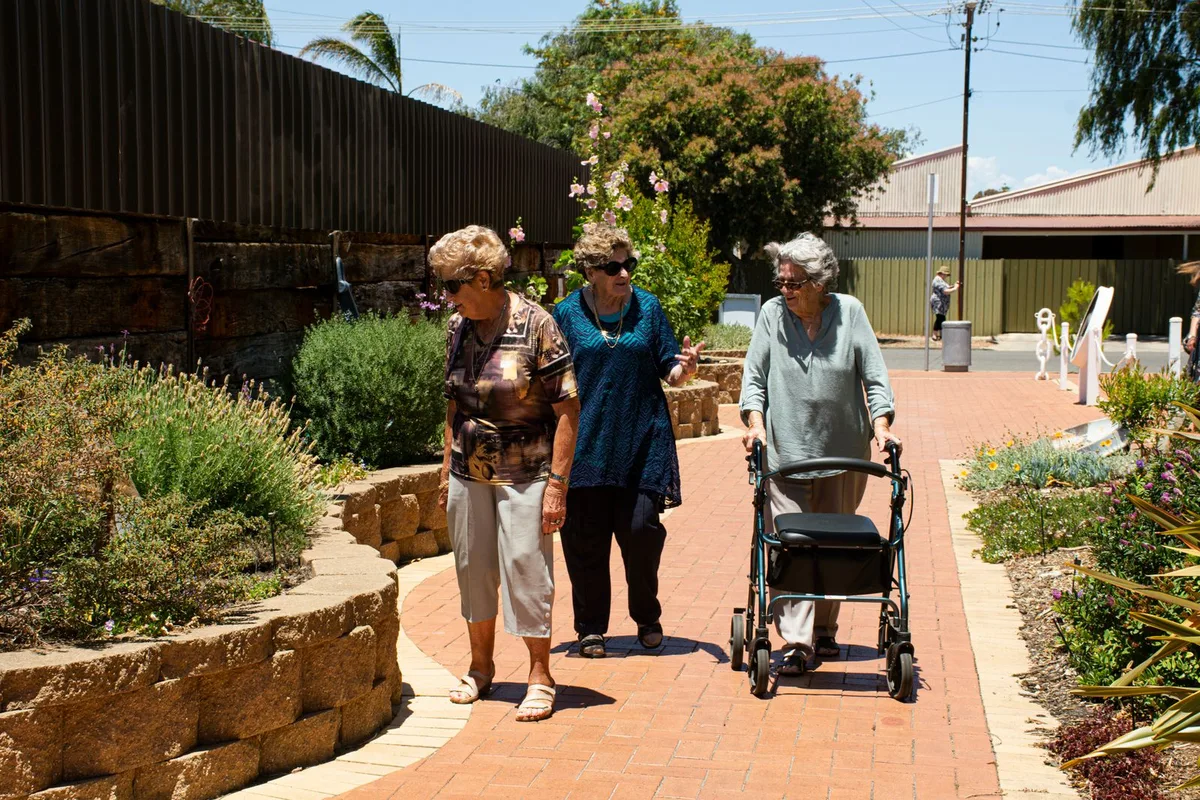
Regular walking is linked to lower stress and a brighter mood. Many people find a morning walk gives them quiet time to think before the day gets busy. Walking with a friend or partner adds conversation, which is good for mood too.
Steadier blood sugar
When you walk, your working muscles pull sugar out of the blood for fuel. Research suggests that even a short walk after a meal can help soften the rise in blood sugar that follows it. Walking soon after breakfast is an easy way to put this to work.
Making it a habit
- Lay out your shoes and jacket the night before.
- Walk at a pace where you can talk but not sing.
- Pick a regular route so there is nothing to decide.
- On bad weather days, walk laps at a mall or indoor track.
National guidelines suggest about 150 minutes of moderate activity a week. Fifteen minutes on five mornings gets you halfway there.
Start with 10 minutes if 15 feels like a lot. Add a couple of minutes each week until it feels easy.
When to talk to your doctor
If you have heart or lung disease, joint problems or have been inactive for a long time, check with your doctor before starting. If you take medicine that lowers blood sugar, ask whether walking before or after breakfast is safer for you. Stop and call 911 if you have chest pain, pressure or sudden shortness of breath.
Fifteen minutes is a small investment. Most people find it pays them back by lunchtime.